
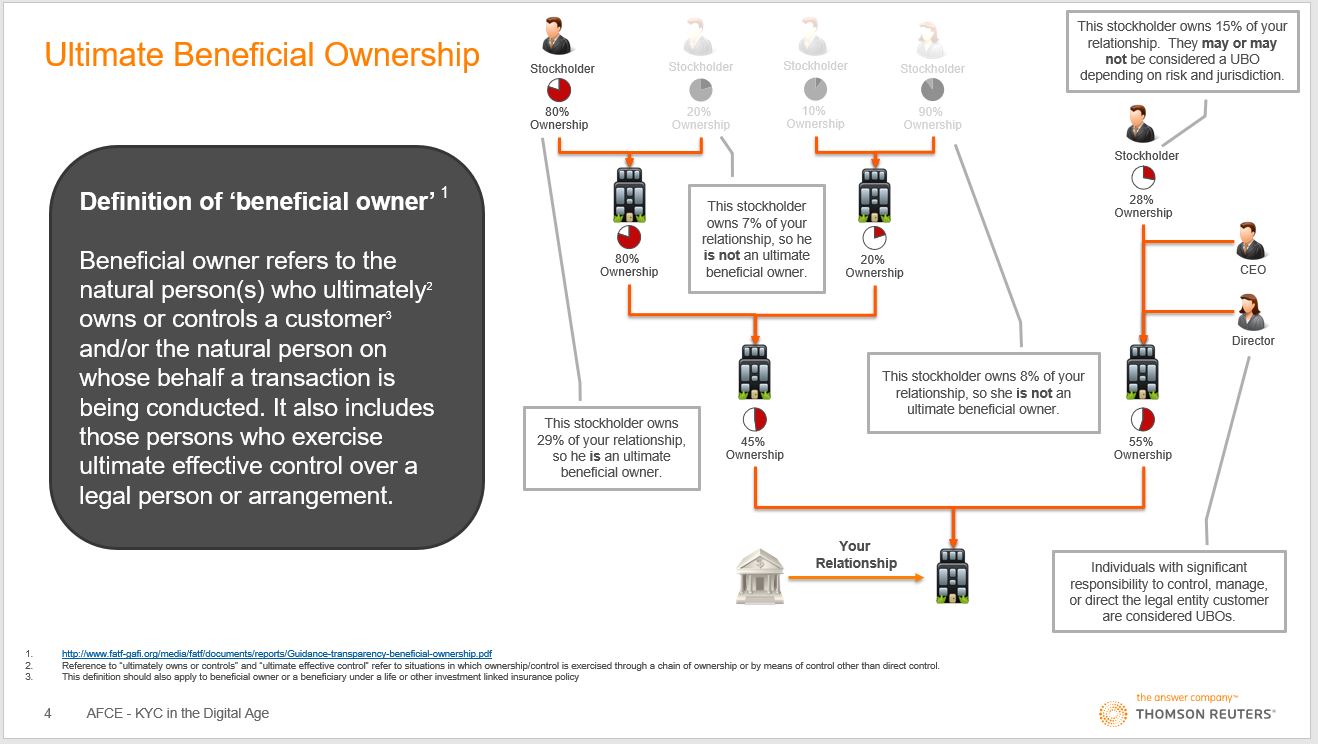
Based on the World Economic Forum’s Global Shapers Survey in the last consecutive years, three of top problems that we are facing are inequality, corruption, and conflict/segregation (incl. clash between races, religion and more massive scale war). Considering that, I always think transparency has an essential role if we want to fix them, because, in a macro perspective, one of the significant factors that cause all of those is that there are many hidden transactions by the stakeholders, not to mention money laundering and terrorism funding. Many countries have promoted transparency itself, and we can see the progress gradually. For example, in my country, Indonesia, where we try to implement the Open Contracting that enable the government to conduct fair and transparent tender and contract, it raises trust from private sectors to involve more again in the procurement process (based on data from opentender.net), hence the bids not monopolised by certain parties. To complement all the Open Data movements, this is where beneficial ownership of public access is urgently needed. After focusing on the government, getting a commitment from the leaders (proved by issued regulations), open data across corporations will guarantee its better and more efficient implementation. For the civil society, it brings the issue of connecting between BO (Beneficial Ownership) and PEPs (Politically exposed Persons), for the company, we can inform operational considerations, and for the government, especially for my re-elected president, it builds the political momentum. Consequently, updated BO will facilitate improvement in societal progress from many sides.
Best,
Hani Rosidaini
 Daddy's Little Warrior