
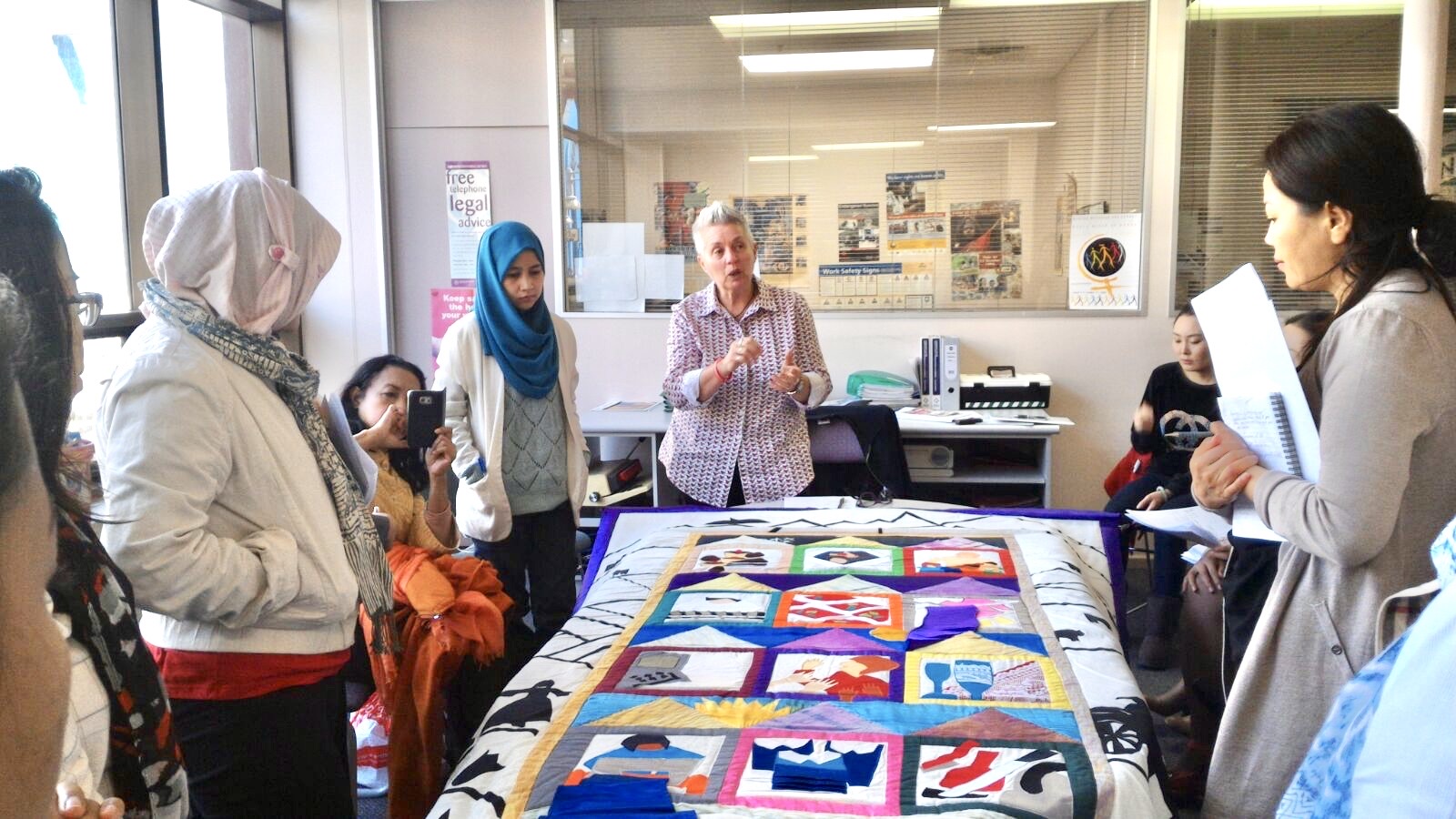
I wouldn’t say ‘how Australia changed me’ because I feel like I’m still myself, but the way I act was shifted because of my experience studying in the country. I studied at Flinders Uni in Adelaide and the Uni of Sydney in Sydney, but this time is more about my experience at Flinders because I spent more time there. The program was under the consortium of the Business and Gender Study Department, therefore, I visited a lot of businesses and studied them not only from the business side but also from the gender perspective.
My lessons and takeaways from Australia are numerous, but if I have to choose the top 3, it would be:
1. Learn from your biases. It was funny or quite ironic, because I started learning about gender when I was having a huge bias towards it. At the time, I was having a business team where I was the only woman, and there was quite a resistance to adding more women to the team. During the process of learning, I encountered unpleasant events and was forced to think more. Later on, I just realised that I was biased, so I learned it the hard way. But then, it also made me think about the other (potential) biases I have. I think it’s crucial to notice your personal biases in order to make a better decision and interact with other people.


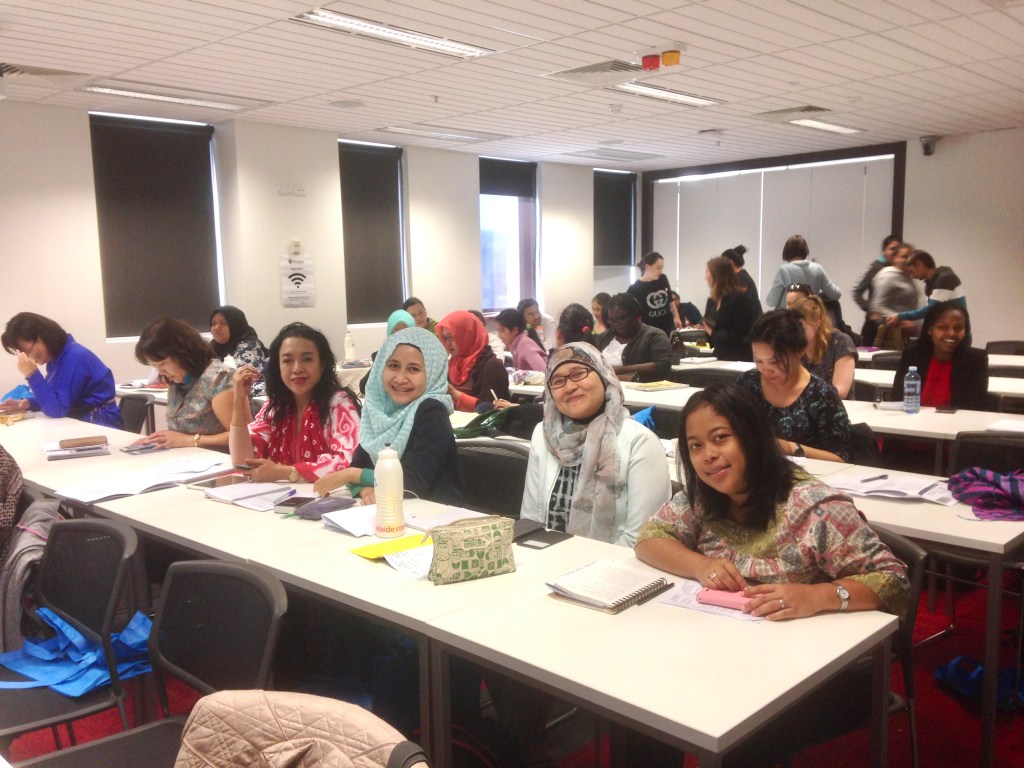
2. The courage to speak. Perhaps it’s not only in Australia, but also in other Western countries (?), which is very different compared to Asian countries (?). Affected by my surroundings, I felt like I was always encouraged to speak. Ask questions, state your opinions, and dare to argue. It improved my confidence and English speaking skills significantly (I couldn’t stop talking). Now, every time I feel like I need to speak a certain language fluently (and more importantly, eloquently), I know I need a supportive environment. If there’s none, I have to create one.
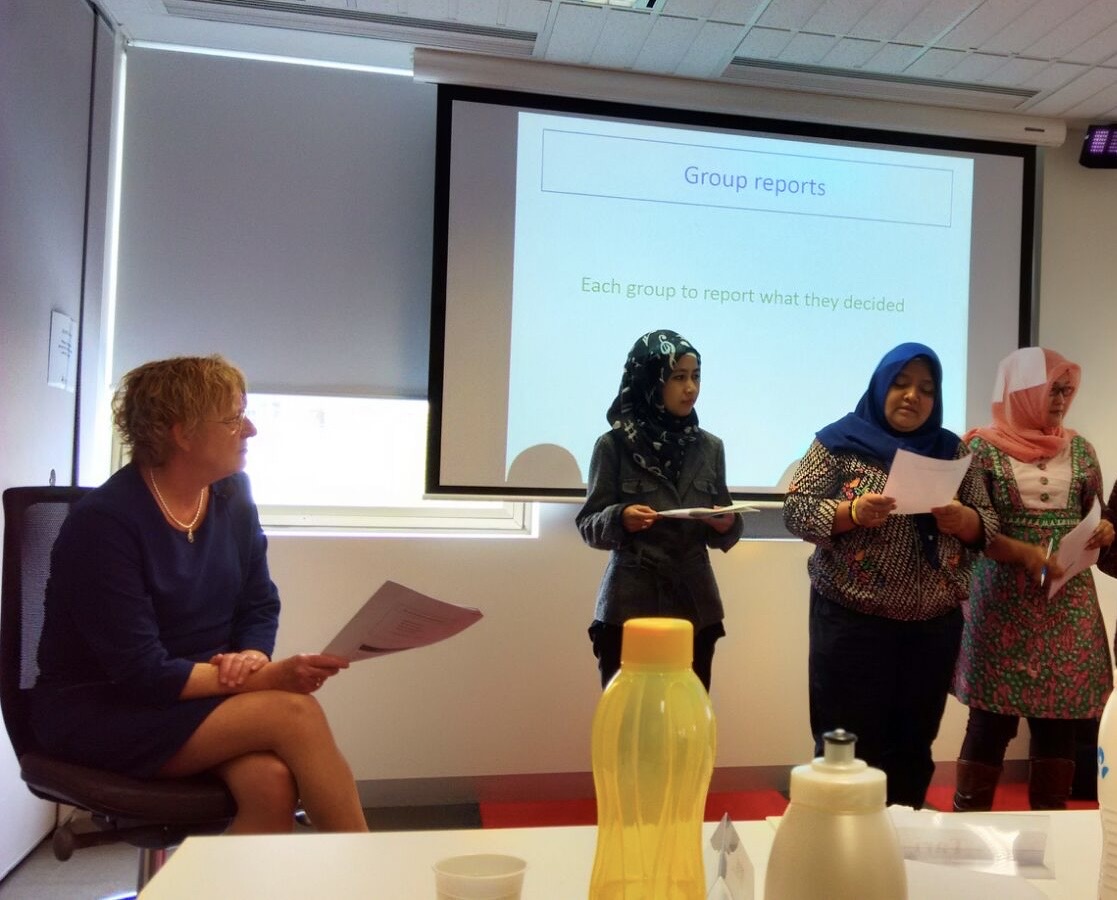
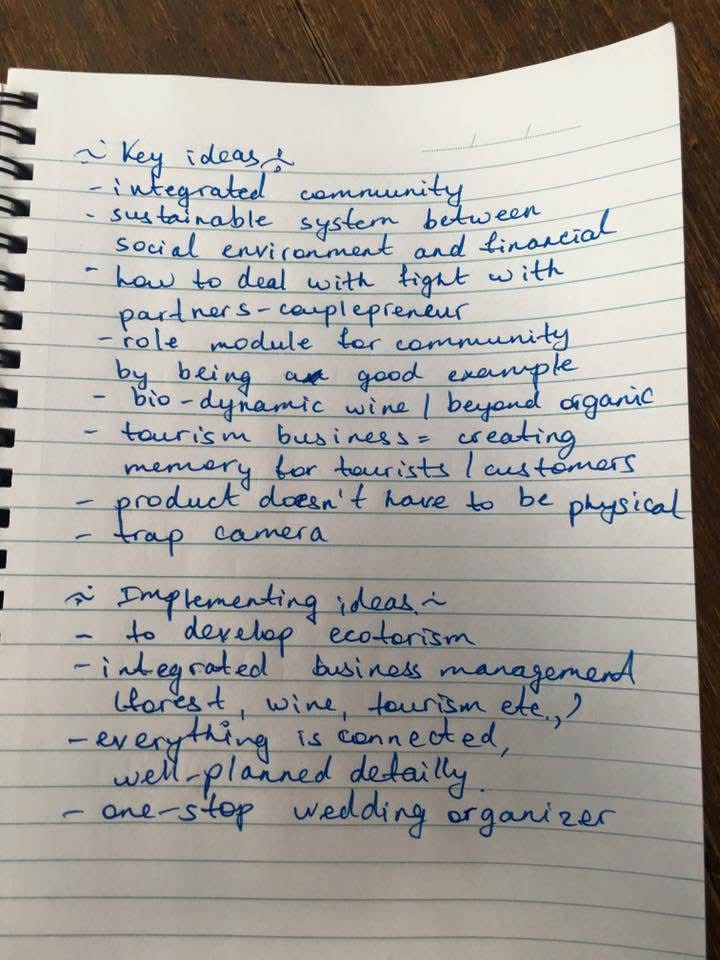
3. The retrospective method. When I was studying at Flinders, every time after we visited a business or attended a course, at the end of the day, we were asked to present three things: 1. key ideas, 2. what was new for us, and 3. how to implement. The first point (the key ideas) might be the same for all the students, because we heard the same thing. But for the second and the third, they must be different, because it depends on our personal experience and the relation between what we just learned and our work. For example: when we were visiting a winery, how to produce wine might be new knowledge for some students, but not for others. And then, some might think about implementing the business, but as for me, since wine is illegal in Islam, what I thought implementable was the concept of its sustainability. We always presented these three points to end the class, repeatedly, over and over again, until it became a norm. Now, every time after I read a book, attend a seminar, or talk with inspiring people, I try to use this method. I think and reflect, hmmm… (1) what are the key ideas? (2) which parts are new for me or the most interesting? and (3) how can I implement this knowledge or information? Shout out to Prof. Anuradha Mundkur and Cara Ellickson from Flinders, who introduced me to this method!
That’s what I can think of now. Perhaps I will share more in the future, which hopefully can be useful, at least for me, to organize my memory.
Jakarta, during the Friday prayer time, after attending a neuroscience masterclass the night before,
Hani
 Daddy's Little Warrior